
Quiet Genius of Simple Homes by Rock, Timber, and Sea
Step into a world where ingenuity grows from scarcity and patience. We explore the low-tech dwellings of the region—off-grid cabins, stone farmsteads, and karst seaside homes—celebrating passive comfort, local materials, and lived knowledge carried by families who learned to read weather, water, and rock with quiet confidence.
Roots in Weather, Soil, and Hands
Before drawings and software, builders watched seasons, traced shadows, and stacked what the land offered. In valleys and on wind-bright coasts, limestone, timber, clay, and reeds shaped rooms that breathe. Their wisdom persists because it answers hunger, storms, and labor with durability, thrift, and care.

Footpaths of shepherds became blueprints
Centuries ago, shepherds learned where frost lingers, where sheep shelter, and where snow melts first. Those paths mapped doorways and hearths. When families settled, they reused that knowledge, aligning cabins to catch dawn light, blocking prevailing gusts, and leaving space for animals, carts, and winter fuel.

Limestone, timber, and the patient chisel
Hands trained by repetition found music in material rhythm: quarry, split, lift, set. Soft, workable limestone welcomed lime mortar; dense heartwood resisted rot. Joints were shaped to shed water, hold heat, and move slightly with quakes, making humble houses stubborn, forgiving, and long-lived.

Passive heat by design
Windows wake to morning light, while modest thermal mass behind the stove sips excess warmth and returns it slowly after dusk. Eaves temper summer sun yet invite winter rays. Floors float above cold ground, and doors align to pull fresh air without sacrificing precious embers.
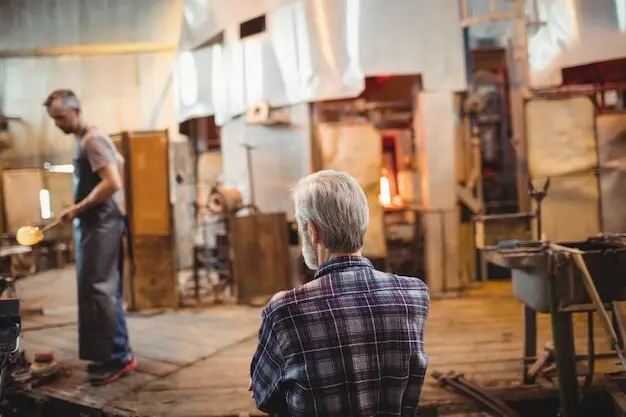
Water gathered, power sipped
Gutters feed barrels, barrels feed a gravel filter, and gravity finishes what pumps never needed to start. A few panels run lights, a radio, and a laptop on cloudy weeks. Conservation comes naturally when each switch translates to footsteps, weather reports, and yesterday’s careful habits.
Stone Farmsteads: Agriculture Built into Walls
The grammar of dry-stone joints
Without mortar, gravity, friction, and thoughtful voids negotiate a lasting truce. Small chocks stabilize boulders; faces tilt slightly inward; drainage paths are never blocked. Your fingertips become gauges, feeling when two irregularities agree, listening as the wall tightens, hums, and finally decides to stand.
Courtyards that harvest shade and work
Between house and barn, a protected square collects breeze, diffuses sun, and choreographs chores. Kettles simmer near troughs; benches hide under vines; tools dry against warm stone. Children learn routes by touch and smell, gathering eggs while elders repair handles and mend harness.
Roofs that remember storms
Low pitches shed winter, while heavy slate and pegged rafters resist impatient gusts off the plateau. Eaves extend to protect doors and set dry thresholds for muddy seasons. Every repair records another gale, building a memory traceable by nails, knots, and slightly darkened timbers.
Karst Seaside Homes: Architecture Listening to Salt and Limestone
Karst is riddled with voids and thirsty cracks; salt arrives on every breeze. Houses answer with light foundations, sacrificial layers, and meticulous drainage. Cisterns inhabit courtyards, colonnades temper glare, and shutters modulate sound, spray, and sun so families can rest while waves argue outside.
Five tools that shape a lifetime
Ask an elder builder and you will hear the same litany, softened by memory: a level, a plumb line, a square, a saw, a trowel. With these, generations raised roofs, corrected mistakes, and measured progress in laughter shared during long, dusty afternoons.
Lime, clay, and the slow burn
Quicklime slakes with drama, then cures with humility, binding aggregates into plasters that move with weather. Clay remembers handprints, forgiving revisions while drying. Both respect breathability, extending timber life and human comfort. Wood-fired kilns, fed patiently, tie chemistry to seasons, weather, and the hour before dawn.
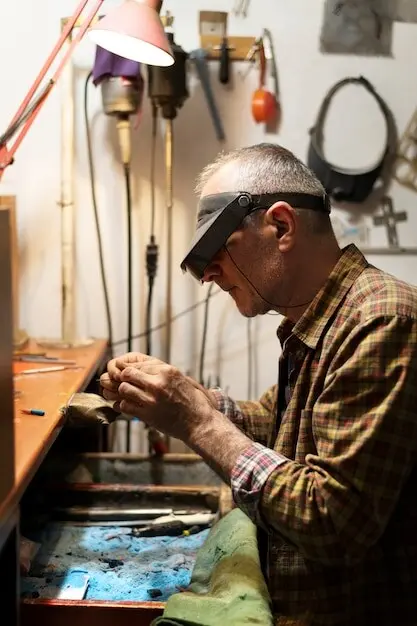

Daily Life: Food, Fire, Water, and Neighborliness
Comfort comes less from gadgets than from rhythms that make scarcity generous. Pantries hold jars, hooks dry herbs, and hearths glow slowly. Wells and cisterns shape chores into conversation. Neighbors appear with seedlings or spare shingles, trading help, stories, and weather warnings over mugs that steam.
Starting Your Own Low-Tech Path
You can begin gently, without buying acres or abandoning work. Study sun paths, wind lanes, and runoff around your current home. Swap one fragile habit for something sturdy. Share your experiments, subscribe for seasonal checklists, and invite neighbors to compare notes over simple, celebratory meals.
All Rights Reserved.