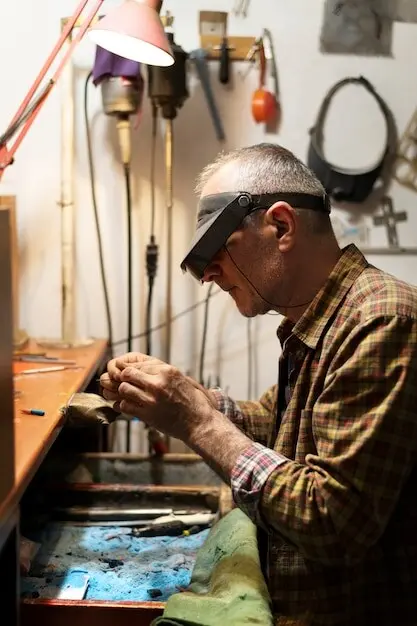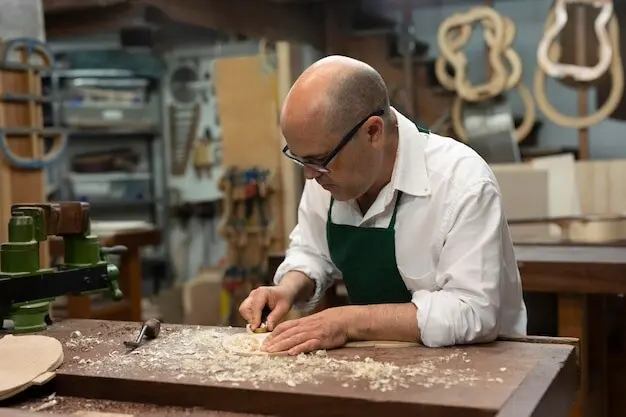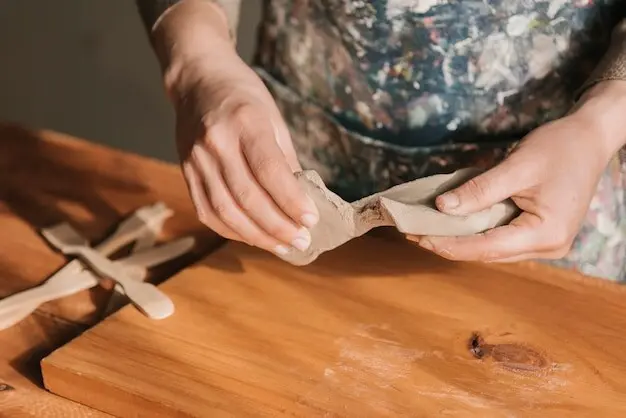

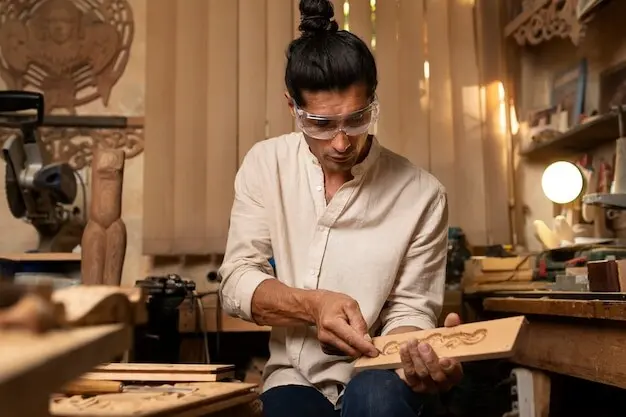
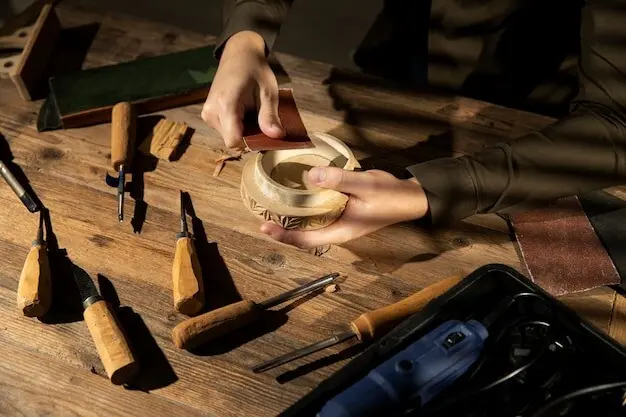
Fixing items before they fail completely reduces landfill pressure, lowers the need for raw materials, and slows the churn of impulsive consumption. Every repaired toaster or jacket delays a purchase, trims packaging waste, and underscores circular thinking, where usefulness is extended by care, knowledge, and thoughtfully shared tools.
Repair spreads financial relief across months and years, avoiding big replacement costs while revealing smarter maintenance habits. Families stretch budgets, students keep essentials working, and seniors stay independent. Savings compound as neighbors exchange skills, swap parts, and coordinate purchases, turning collective ingenuity into dependable, affordable everyday living.

Start with versatile essentials—screwdrivers, hand saws, multimeters, bike tools, and sturdy sewing machines—then add specialized items based on member requests. Track condition, purchase spare parts strategically, and create repair kits aligned to common neighborhood needs. A living catalogue evolves with feedback, ensuring availability, safety, and dependable, repeatable results.

Implement check-out checklists, brief orientations, and simple agreements covering safe use and prompt returns. Inspect tools on arrival, note wear, and schedule maintenance before faults grow. Label PPE availability, share quick-start guides, and encourage photos of setups, reinforcing accountability through friendly nudges that protect members, equipment, and project momentum.

Short, hands-on lessons—drill basics, fabric repair, electronics testing—give immediate wins. Pair novices with patient mentors and end with a small take-home repair. Document successes in a public gallery, inspiring others to try. Over time, workshops seed volunteer leaders, expanding capacity and building a recognizable culture of practical, cheerful competence.
A warm greeting sets tone, intake forms capture symptoms, and triage tables route items quickly. While volunteers work, guests observe, ask questions, and try steps themselves. Before leaving, participants photograph repaired items and share tips, creating visible proof of progress and a contagious invitation to return with friends.


All Rights Reserved.